• Skip to primary navigation
  • Skip to main content
  • Skip to primary sidebar
Virtualization.com

Virtualization.com

News and insights from the vibrant world of virtualization and cloud computing

  • News
  • Featured
  • Partnerships
  • People
  • Acquisitions
  • Guest Posts
  • Interviews
  • Videos
  • Funding

Microsoft Acquires Desktop Virtualization Software Maker Kidaro

March 12, 2008 by Robin Wauters 1 Comment

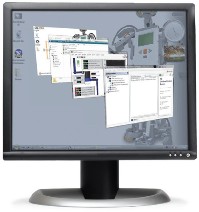
Microsoft announced on Wednesday that it has acquired Kidaro, a young company that helps businesses manage their collection of virtual machines. The financial details involved in the acquisition of the startup, which counts 35 employees, remained undisclosed, although Valleywag is calling it around $ 100 million.

virtualization-desktop-microsoft-kidaro.jpg

According to CNET’s Ina Fried, Microsoft said the technology will make it easier for businesses to manage application compatibility challenges, ultimately spurring faster Vista adoption as well as broadening the use of virtual machines within enterprises.

“The challenge we have with Virtual PC today is it doesn’t have enterprise-level management and deployment with it and the user experience could be improved,” said Gavriella Schuster, a senior director in Microsoft’s Windows unit.

Schuster said that Kidaro’s technology helps on both scores. In addition to tools for setting up and managing virtual machines, Kidaro has technology that makes virtual machines less jarring for users, making them appear to be part of the standard desktop.

Kidaro’s technology will be added to a future version of Microsoft Desktop Optimization Pack. The collection of tools is sold as an add-on to Microsoft’s Software Assurance program for volume license customers. Other things in the collection include an application virtualization technology known as SoftGrid and asset management tools that stem from Microsoft’s AssetMetrix acquisition.

While perhaps not a mainstream way for businesses to move to Vista, Schuster said Microsoft thinks some companies will find it more palatable with Kidaro’s tools to run older, Vista incompatible applications via a Windows XP virtual machine.

Update – from the Windows Virtualization Team Blog:

I’m told that the three founders of Kidaro will be joining Microsoft and play similar roles here, and that the plan is to keep Kidaro’s R&D team in Israel. That makes sense since Microsoft already has an R&D center in Israel.

So if you’re keeping track, this acquisition is roughly 45 days after we announced the acquisition of Calista Technologies.

[Source: Techmeme]

Filed Under: Acquisitions, Featured Tagged With: AssetMetrix, desktop virtualization, Gavriella Schuster, Kidaro, Kidaro Managed Workspace, microsoft, Microsoft Desktop Optimization Pack, Microsoft Software Assurance, SoftGrid, Virtual PC, virtualisation, virtualization, Vista, Vista virtualization, windows vista

Get Maximum Exposure: Hire A Blonde Executive Who Forgets Your Virtualization Company Slogan But Knows How To Do Card Tricks

March 12, 2008 by Robin Wauters 1 Comment

Never one to shy away from extensive research, Virtualization.com has analyzed its visitor statistics for our extensive VMworld Europe 2008 video coverage, proving that eyeballs for interviews don’t necessarily follow the trail of the most reputable interviewees or eloquent answers. Allow us to share a few proven online marketing techniques, which apparently skew the video metrics and raise exposure dramatically:

Blonde female executives get more attention than male gurus

Susannah Kirksey with ClearCubeFor reasons beyond our understanding, the Virtualization.com audience prefers watching a smart blonde female executive 4 times more than a seasoned male expert from the virtualization trenches. Our professional advice: start shaving your legs, guys …

CEOs who pretend to forget their great company base lineRatmirTimashev CEO at Veeam

We love technology gossip sites like Valleywag.com . And apparently, your hard-to-reach target audience of CIO’s, venture capitalists & IT managemers is much like us and seems to spend less time analyzing dull virtualization reports from Gartner or IDC and more time on popular, snarky tech blogs. Raise the attention you get from folks at Silicon Valley by instructing your foreign language CEO to make a remarkable introduction (over 1.600 views and counting). Make sure to reference the interview on your own corporate website too, so nobody misses out on it. Lots of free publicity guaranteed!

Demonstrations are more attractive when popular YouTube keywords are included

Maxim Ivanov with VeeamDue to the nature of flash video hosting websites, it always helps to spice your boring software product presentations with some interactive tricks of general interest. Card tricks prove to be such a popular category on YouTube (26.000 results and counting). This is also how the Marketing Manager with Veeam garnered a lot more attention for his VMworld booth during the event and for ever after on those flash video hosting platforms … After the magic, he continues with a demo on their software solutions. Unfortunately our web analytics do not reveal how many of those card lovers understand the tricks & benefits Veeam software could provide them.

For now the PR and marketing officers at Veeam seem to rule at this game and take away the main prize for maximizing their VMworld Europe 2008 exposure with a double entry in this Top 3!

Diane Greene CEO at VMwareWe are already looking forward to our interview with the naturally blonde Diane Greene, CEO of VMware. At this point, it’s unclear if she knows about the foreign-accent-amnesia combined with card-trickery skills the interviewees above seem to have mastered. But we promise to dig into the matter!

Filed Under: Featured Tagged With: blonde, card trick, Diane Green, Veeam, video, virtualisation, virtualization, vmware, VMWorld Europe 2008, youtube

Layered Technologies Secures $ 11 Million in Private Investment

March 12, 2008 by Robin Wauters Leave a Comment

Layered Technologies has secured $11 million in funding from private equity firm Enhanced Equity Fund and its founding investor Pangloss International. The new cash will provide Layered Technologies with working capital to expand, develop new products, and accelerate sales and marketing efforts within new enterprise markets.

virtualization-layeredtechnologies.jpg

Layered Technologies is a provider of on-demand hosting, utility computing solutions and web services with clients in over 120 countries. The Texas-based company offers a grid hosting service as well as virtual private data centers.

“We see great potential for Layered Technologies to play a key role in shaping the future of grid computing and virtualized services within the hosting marketplace,” said David Howe, Managing General Partner for Enhanced Equity Fund.

[Source: Data Center Knowledge]

Filed Under: Funding Tagged With: David Howe, Enhanced Equity Fund, Grid Computing, hosting, Layered Tech, Layered technologies, Pangloss International, virtual hosting, virtual server, virtualisation, virtualization, virtualized services

Will Increasing Memory Costs Slow Down Virtualization Growth?

March 11, 2008 by Robin Wauters 1 Comment

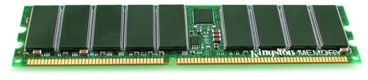
Memory vendor Kingston Technology (check out the short interview we did at their VMWorld Europe 2008 booth) says memory in industry standard servers is causing virtualization projects to become unnecessarily expensive and that fears over warranties are holding back users from upgrading.

virtualization-memory-kingston-technology.jpg

“Not having enough memory restricts the number of virtual machines, and also restricts the overall performance. Not having enough memory is either down to improper planning, or in most cases, the inability to purchase enough memory due to the higher cost of OEM memory,” the company said.

Hewlett-Packard does not seem to share their vision:

Rhys Austin, who runs the virtualization practice for industry standard servers at HP agreed that too little memory will affect virtualiszation performance but strongly rejected Kingston’s assertion that users were worried about price or warranties.

[Source: PC Advisor]

Filed Under: News, People, Rumors Tagged With: Hewlett Packard, HP, Kingston, Kingston Technology, Kingston Technology Company, memory, OEM memory, Rhys Austin, virtualisation, virtualization

Microsoft Opened Up Virtualization For Vista Under Court Pressure

March 11, 2008 by Robin Wauters 1 Comment

Earlier this year, Microsoft surprisingly flip-flopped its earlier decision not to allow users to run Vista Home Basic and Vista Home Premium as guest operating systems on a virtual machine. According to Computerworld, court documents now prove MS did this because of a complaint filed with antitrust regulators.

According to a status report filed with U.S. District Court Judge Colleen Kollar-Kotelly, Microsoft changed the end-user licensing agreements (EULA) of Vista Home Basic and Vista Home Premium under pressure from Phoenix Technologies Ltd. Phoenix, best known for the BIOS, or firmware, that it sells to PC makers, had filed a complaint with regulators sometime after early November 2007, arguing that Microsoft should open the less-expensive versions of Vista to virtualization.

virtualization-vista-windows-microsoft.JPG

Although the report didn’t name the Phoenix virtualization product, it was referring to HyperSpace, technology that the company unveiled in November 2007. HyperSpace embeds a Linux-based hypervisor in the computer’s BIOS that allows the computer to run open-source software without booting Windows. A little more than two months after Phoenix filed its complaint, Microsoft gave in. “After discussion with the Plaintiff States and the three-person technical committee that assists in monitoring Microsoft’s compliance, Microsoft agreed to remove the EULA restrictions, and has done so,” the status report said.

Unfortunately, Phoenix Technologies and Microsoft declined to comment about the complaint and the changes to virtualization in Vista.

Filed Under: Featured, News Tagged With: Colleen Kollar-Kotelly, complaint, court, EULA, HyperSpace, microsoft, MS, Phoenix, Phoenix HyperSpace, Phoenix Technologies, virtualisation, virtualization, Vista virtualization, windows, windows vista, Windows Vista virtualization

Looking Back At A Decade of Open Source Virtualization

March 10, 2008 by Kris Buytaert 3 Comments

Will 2008 become the “Virtual Year”?

That’s what some people would have us believe now that the virtualization hype is reaching never before seen heights, and large acquisitions & mergers are starting to become quite common (Citrix bought Xensource, Novell picked up PlateSpin, Sun acquired innotek, Quest Software snapped up Vizioncore while VMware treated itself to Thinstall, and so on).

But few people realize or fail to acknowledge that the large majority of virtualization techniques and developments were started as, or remain Open Source projects.

Where are we coming from ?

Even without looking back, we know that IBM was one of the pioneers in the virtualization area; they were talking about Virtual Machines before I was even born. But who remembers one of the first Open Source virtualization takeovers? Back in 1999, Mandrake Software bought Bochs . Yes, that’s nineteen ninety nine, even before the y2k hype. Kevin Lawton had been working on the Bochs project together with different other developers since 1994. In 1999, he also had started working on Plex86, also known as FreeMWare.

Kevin back then compared Plex86 to other tools such as VMWare, Wine, DOSEMU and Win4Lin. Plex86 in the meanwhile has been totally reinvented. While at first it was capable of running almost all operating systems, it is now a very light virtual machine designed only to run Linux.

Wine was also a frequently covered topic at different Linux Kongress venues. As its initiators claim themselves, Wine is not an emulator, but it most certainly used to be a key player in the virtualization area. Its attempts to run non-native applications in a different operating system, in this case mostly Windows applications on a Linux platform, didn’t exactly pass by unnoticed.

However, installing VMWare or Qemu became such an easier alternative than trying to run an application with Wine. And Win4Lin, its commercial brother, had similar adoption issues. Corporate adoption for neither Wine nor Win4Lin was successful, and Win4Lin recently reinvented itself as a Virtual Desktop Server product, where it is bound to face a lot of stiff competition.

People who claim desktop virtualization was ‘born in 2007’ obviously missed part of history. Although most Unix gurus claim desktop virtualization has been around for several decades via the X11 system, the Open Source alternatives to actually do the same on different platforms (or cross-platform) have also been around for a while.

Who has never heard of VNC, the most famous product that came out the Olivetti & Oracle Research Laboratory (ORL) in Cambridge, England? VNC was one of the first tools people began to use to remotely access Windows machines. System administrators who didn’t feel like running Windows applications on their Unix desktop just hid an old Windows desktop under their desk and connected to it using VNC. It was also quickly adopted by most desktop users as a tool to take over the desktop of a remote colleague. After the Olivetti & Oracle Research Laboratory closed different spin-offs of VNC such as RealVNC , TightVNC and UltraVNC popped up.. and it’s still a pretty actively used tool.

But VNC wasn’t the only contender in the field. Back in 2003, I ran into NX for the very first time , written by the Italian folks from NoMachine , with a FreeNX release co-existing alongside a commercial offering. It was first claimed to be yet another X reinvention, however NX slightly modified the concept and eliminated the annoying X roundtrips. The fact that NX used proxies on each side of the connection guaranteed that it could function even on extremely slow connections.

In the early days of this century, there was some confusion between UML and UMLinux. While Jeff Dike called his User-mode Linux the port of Linux to Linux, it was in essence a full blown Linux kernel running as a process on another Linux machine.

Apart from UML, there was UMLinux, also a User Mode Linux project, featuring a UML linux machine which booted using Lilo and from which an out-of-the-box Linux distribution could be installed. Two projects, one on each side of the Atlantic, with both a really similar goal and similar naming was simply asking for confusion. In 2003, the UMLinux folks decided to rebrand to FAUmachine. hence ending the confusion once and for all.

Research on virtualization wasn’t conducted exclusively in Germany; the Department of Computer Science and Engineering of the University of Washington was working on the lesser known Denali project. The focus of the Denali project is on lightweight protection domains; they are aiming at running 100s and 1000s VM’s concurrently on one single physical host.

And apparently, one project with a confusing name wasn’t enough. The Open Source community seemed desparate for more of that. Hence, the Linux-VServer project and Linux Virtual Server came around around the same time. The Linux Virtual Server actually hasn’t got that much to do with virtualization, at all. In essence, Linux Virtual Server is a load balancer that will balance TCP/IP connections to a bunch of other servers hence acting to the end user as one big High Performant and Highly Available Virtual Server. (The IPVS patch for Linux has been around since early 1999).

Linux VServer (released for the first time in late 2001) on the other hand provides us with different Virtual Private Servers that are running in different security contexts. Linux VServer will create different user space segments , so that each Virtual Private server looks like a real server and can only ‘see’ its own processes.

By then, Plex86 had a big competitor coming from France, where Fabrice Bellard was working Qemu. At first, Qemu was really a Machine Emulator. Much like Bochs (anyone still running AmigaOS?), you could create different virtual machines from totally different architectures. Evidently froml X86, but also from ARM, Sparc, PowerPC, Mips, m68k and even development versions for Alpha and alternative 64bit architectures. Qemu however was perceived by a lot of people as slow compared to other alternatives. There was an Accelerator module available providing an enormous performance boost, however that didn’t have such an open license as the rest of Qemu, which held back its adoption significantly. It was only about a year ago (early 2007) that the Accelerator module also became completely open source.

The importance of Qemu however should not be underestimated, as most of the current hot virtualization projects are borrowing Qemu knowledge or technology left and right. KVM (Kernel-based Virtual Machine) is the most prominent user of Qemu, but even VirtualBox, Xen (in HVM mode) and the earlier mentioned Win4Lin are using parts of Qemu.

As this is an overview of the recent Open Source Virtualisation history the focus has been on running virtual machines on Linux, or connecting to a remote platform from a Linux or Unix desktop, where most of the early developments have taken place. We shouldn’t fail to mention CoLinux in this regard, however. CoLinux allows you to run Linux as a Windows process, giving people on locked down desktops an alternative for VMWare to run Linux on their desktop.

Xen is with no doubt the most famous open source virtualization solution around, certainly after its acquisition by Citrix. Xen was conceived at the XenoServer project from the University of Cambridge, an initiative aiming to build an infrastructure for distributed computing and to create a place where one can safely execute potentially dangerous code in a distributed environment. Xen was first described in a paper presented at SOSP in 2003 but work on it began somewhere in 2001.

Next week, we’ll talk more about virtualization and open source with a detailed look at today’s landscape.

Filed Under: Featured, Guest Posts Tagged With: 64bit, Accelerator, acquisitions, Alpha, ARM, bochs, citrix, CoLinux, denali, DOSEMU, faumachine, FreeMWare, freenx, IBM, Jeff Dike, Kevin Lawton, kvm, linux, linux kernel, Linux Kongress, Linux Virtual Server, Linux-VServer, m68k, Mandrake, Mips, nomachine, nx, Olivetti & Oracle Research Laboratory, open source, ORL, OS, Plex86, PowerPC, qemu, RealVNC, SOSP, sparc, TightVNC, UltraVNC, UML, UMLinux, Unix, User Mode Linux, virtual desktop, virtual machines, Virtual Private Server, VirtualBox, virtualisation, virtualization, vnc, Win4Lin, windows, wine, X11, X86, Xen, xenoserver, xensource

  • « Go to Previous Page
  • Go to page 1
  • Interim pages omitted …
  • Go to page 345
  • Go to page 346
  • Go to page 347
  • Go to page 348
  • Go to page 349
  • Interim pages omitted …
  • Go to page 371
  • Go to Next Page »

Primary Sidebar

Tags

acquisition application virtualization Cisco citrix Citrix Systems citrix xenserver cloud computing Dell desktop virtualization EMC financing Funding Hewlett Packard HP Hyper-V IBM industry moves intel interview kvm linux microsoft Microsoft Hyper-V Novell oracle Parallels red hat research server virtualization sun sun microsystems VDI video virtual desktop Virtual Iron virtualisation virtualization vmware VMware ESX VMWorld VMWorld 2008 VMWorld Europe 2008 Xen xenserver xensource

Recent Comments

  • C program on Red Hat Launches Virtual Storage Appliance For Amazon Web Services
  • Hamzaoui on $500 Million For XenSource, Where Did All The Money Go?
  • vijay kumar on NComputing Debuts X350
  • Samar on VMware / SpringSource Acquires GemStone Systems
  • Meo on Cisco, Citrix Join Forces To Deliver Rich Media-Enabled Virtual Desktops

Copyright © 2025 · Genesis Sample on Genesis Framework · WordPress · Log in

  • Newsletter
  • Advertise
  • Contact
  • About